
Seventy-two percent of Aussie punters now expect a game to hold their attention for at least four minutes before they blink. That figure blew past the old benchmark by a mile, and the shift explains why the local market has moved on from the clunky fruit machines of a decade ago. Jacob Sutherland tracks retention curves across portfolios worth more than most regional clubs, and he reckons the upgrade cycle has settled into something quieter and sharper. The phrase enhanced edition pokies online Australia keeps popping up in player surveys, but the real story sits in the pacing, the feedback loops and the way operators now read a session before it stalls.
You’ll spot the difference the moment a reel stops. Older titles used to hand you a flat paytable and a cheerful ding, while the newer builds layer in near-miss cues, staggered free-spin triggers and bonus rounds that actually respect your time. Sutherland compares the upgrade to a good coffee machine: the first version just poured hot water, but the refined one learns your order, cuts the wait and stops wasting beans when you’re not looking. Players who treat a spin as a bit of weekend entertainment spend notice the difference straight away, because the games stop chewing up minutes without giving anything back.
Queensland parlours have always run a different rhythm to the southern states, and the local scene around Brisbane shows how the newer builds fit into a Friday night at a riverside club. A mate of mine down at South Bank still talks about the old cabinet that paid out on a single line and then sat silent for ten minutes. The modern equivalents around the city keep the action moving, which suits a crowd that wants a quick flutter between rounds of pool rather than a marathon session.
What the newer builds actually do
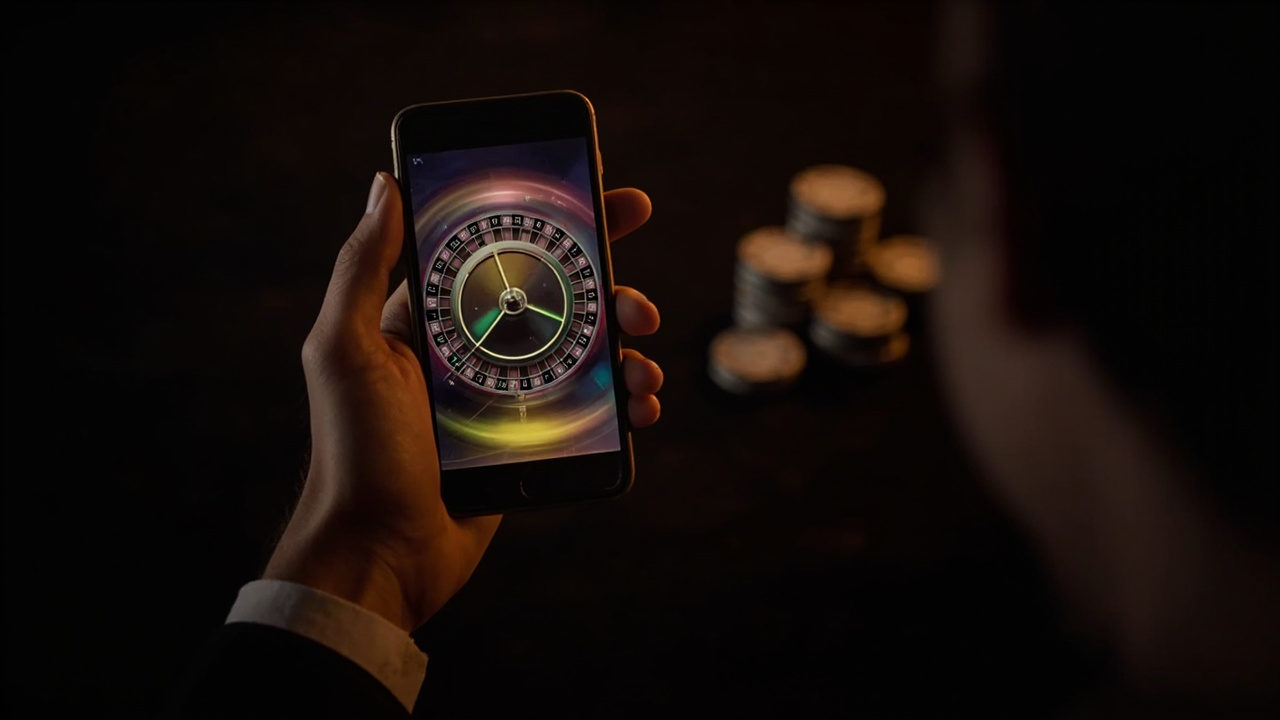
The first thing to check is the hit frequency, because a game that pays out every twelve spins feels completely different to one that holds back for thirty. Operators now tune those numbers to match a social player’s attention span, which means smaller regular wins and a few bigger moments that don’t leave you staring at a blank screen. Sutherland runs a simple test on any new build: he logs a hundred spins, marks the gaps between payouts and drops anything that clusters too tightly or stretches too long. A game that passes that check usually keeps a weekend player engaged without turning a casual flutter into a long sit.
Bonus rounds on the enhanced builds now carry their own pacing rules, which is a quiet change that matters more than the graphics. You’ll see a free-spin feature that locks in a multiplier for the whole round rather than resetting every spin, and that single tweak changes how long a session feels. The trade-off is that the base game often runs a bit drier, so the whole package only works if the bonus actually fires within a reasonable window. A sensible player checks the trigger rate before they commit, because a feature that only shows up after two hours is just a fancy way to burn time.
Why the local market shifted
The calendar does half the work for anyone watching the numbers. State of Origin week pulls a different crowd than the AFL Grand Final weekend, and the Boxing Day Test draws a slower, steadier crowd that wants a game to sit alongside a long session at the table. Operators who read those patterns stop pushing the same high-volatility build across every window, because a game that suits a Saturday night crowd will bore a Tuesday afternoon player to tears. The shift toward enhanced edition pokies online Australia reflects that kind of timing, not just a fresh coat of paint on the reels.
Marketing spend has followed the same logic, which is why you see fewer blanket promos and more targeted nudges that land when a player’s usual session window opens. Sutherland’s portfolios run on that kind of timing, because a message that arrives five minutes before a player’s normal Friday slot gets a response, while the same message sent at random gets ignored. The local market has quietly moved toward that rhythm, and the games themselves have adjusted to match it. You can read a decent breakdown of how the broader media landscape is tracking the shift at the local press, which gives the whole trend some proper context.
How a weekend player should read the numbers
A sensible approach starts with a hard limit on time, not just money, because the newer builds are built to keep the minutes flowing. Set a thirty-minute block, log the spins and note how many bonus rounds actually fire inside that window. If the feature hasn’t shown up by the end of the block, the game is probably not tuned for a short social session, and you’re better off switching to something with a tighter trigger rate. That kind of check takes the guesswork out of a casual flutter and stops a fun evening from turning into a long, quiet grind.
The payout rhythm matters just as much as the size of the wins, because a string of small returns keeps the mood up without pretending to be a windfall. A player who treats the spend as entertainment money should look for a game that delivers a steady drip rather than a long drought followed by one big hit. The dry runs are where most people lose track of time, so a title that spaces out its action evenly is usually the better fit for a weekend night out. You can test that rhythm yourself by spinning a demo for ten minutes and watching how often the screen lights up, which tells you more than any glossy trailer ever will. sweet bonanza
Three quick checks before you spin
What’s the hit frequency on the base game? Check the paytable or the demo log and count how many spins land a small win, because a figure under eight percent usually means a long dry stretch.
How often does the bonus round actually trigger? Look for a trigger rate that sits above one percent, since anything lower turns the feature into a rare event rather than a regular part of the session.
Does the game respect a short session window? Run a thirty-minute test and see whether the action stays lively, because a build that only wakes up after an hour is not built for a casual flutter.
Where the Brisbane scene fits in
The riverside clubs around Brisbane have always run a tighter, more social vibe than the big destination venues down south, and the newer builds suit that crowd better than the old high-variance cabinets. A player who drops in for a couple of hours between dinner and a round of pool wants a game that keeps the pace up without demanding a marathon sit. The local operators have noticed that shift, and the machines that hold the floor now tend to be the ones with a steadier rhythm and a bonus round that actually shows up in a reasonable window.
You’ll still find the older builds lurking in the corners, but they rarely hold the evening crowd for long. The modern equivalents keep the feedback coming, which suits a room where people are talking, ordering another round and watching the clock. That’s the quiet change that matters most for a social player, because the game has to fit the room rather than dominate it. A quick look at the floor before you sit down tells you which titles are actually pulling the crowd and which ones are just taking up space.
The trade-offs nobody talks about
Every upgrade comes with a compromise, and the enhanced builds are no different. The smoother pacing and the better feedback loops usually mean the base game runs a bit flatter, which is fine for a social session but less fun if you’re chasing a big hit. Sutherland flags that trade-off in every portfolio review, because a game that feels too polished can quietly stretch a session beyond what a player intended. The trick is to pick a title that matches the kind of night you want, not the one that looks flashiest on the floor.
Player data also shows that the newer builds keep people in the seat longer, which sounds like a win until you realise it can blur the line between a quick flutter and a long sit. A weekend player who sets a hard stop before they start usually avoids that trap, because the game itself won’t remind you to leave. The better titles now build in a gentle rhythm that makes it easier to walk away, but that only works if you set the limit first. A demo run of twenty minutes tells you whether the pacing suits you before you put any money behind it.
What a good session looks like now
A solid night starts with a clear limit and a game that matches the window you’ve set, which sounds obvious but gets missed more often than it should. Pick a title with a steady hit frequency, check that the bonus round fires within a reasonable span and keep the session to a fixed block of time. The newer builds reward that kind of discipline because they’re built to keep the action moving without pretending to be anything more than a bit of fun. A player who treats the spend as entertainment money and walks away on time usually comes back keen rather than drained.
The local market has quietly settled into that rhythm, and the games have followed suit. You can see the shift in the way the floor machines hold a crowd on a Friday night, and you can read it in the way the newer builds pace their bonuses and their wins. The whole thing works better when the game fits the room and the player sets a limit before the first spin. A mate who wants a quick flutter between rounds will find the newer builds a better fit than the old cabinets that sat silent for ten minutes at a time.
Jacob Sutherland keeps a simple rule on every portfolio he runs: if a game can’t hold a social player’s attention for a proper thirty-minute block without stretching the session, it doesn’t earn a spot on the floor. He reckons the newer builds have finally learned that lesson, which is why the weekend crowd sticks around and the quiet grind has lost its grip. Have you noticed the newer builds holding your attention longer, or do you still prefer the old rhythm on a Friday night?